


Why Regular HVAC Inspections Matter: Advanced Problem Solutions
- fyyff25
- Jun 14
- 6 min read
That spike in your utility bill usually does not start with one big breakdown. More often, it starts with a dirty coil, a loose connection, low airflow, or a small issue nobody noticed early enough. That is exactly why regular HVAC inspections matter. They help catch the quiet problems before they turn into expensive repairs, uncomfortable rooms, or a system that quits when you need it most.
For homeowners and business owners in the Des Moines area, HVAC is not just another appliance. It affects daily comfort, indoor air quality, energy use, and how well your property runs overall. If you have kids at home, pets in the house, tenants to keep comfortable, or employees and customers moving through your building, a neglected system can create problems fast.
Why regular HVAC inspections matter for everyday comfort
A heating and cooling system can keep running even when it is not running well. That is what makes skipped inspections so costly. You may still get air from the vents, but the system could be cycling too often, struggling to maintain temperature, or putting unnecessary strain on key components.
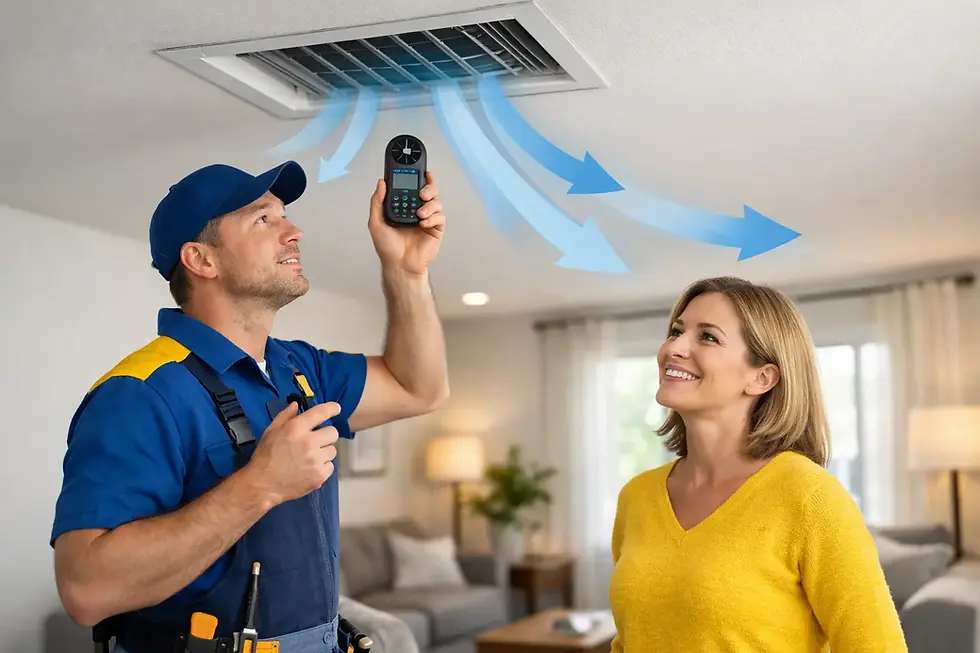
An inspection gives you a clearer picture of how the system is actually performing. A trained technician can spot weak airflow, early wear, clogged drains, thermostat issues, refrigerant concerns, and electrical problems before they lead to a no-cool or no-heat call. In many cases, the goal is not just preventing failure. It is helping your system work the way it should every day.
Comfort issues are often gradual. One room starts feeling warmer than the rest. The system gets noisier. The air feels more humid or stale. It is easy to live with those changes for a while, but they are usually signs that the equipment needs attention.
Small problems rarely stay small
One of the biggest reasons inspections matter is simple: HVAC systems are mechanical systems with moving parts, electrical components, filters, drains, and controls that all affect one another. When one piece starts slipping, other parts often have to work harder to compensate.
A worn blower motor may not fail today, but it can reduce airflow and stress the system. A clogged condensate drain may seem minor until it causes water damage or shuts the unit down. A loose electrical connection can reduce efficiency and create a safety concern at the same time.
This is where regular inspections pay off. You are not waiting for a full breakdown to learn something is wrong. You are getting ahead of it.
There is a trade-off, of course. Some property owners delay inspections because the system seems fine and they want to avoid a service cost. That can make sense in the short term, but it often leads to bigger repair bills later. Preventative care is usually less disruptive and less expensive than emergency service.
Efficiency affects your monthly costs
If your HVAC system is dirty, restricted, or out of adjustment, it has to work harder to produce the same result. That extra effort shows up on your utility bill.
Regular inspections help identify the conditions that waste energy. Dirty coils, blocked filters, leaky duct connections, poor calibration, and aging components can all increase energy use without creating an obvious failure. The system still runs, but it runs longer and less efficiently.
For homeowners, that means spending more month after month for less comfort. For commercial properties, it can mean noticeably higher operating costs across a larger space. If you manage multiple units or a larger facility, even a modest efficiency loss can add up fast.
It depends on the age and condition of your equipment, but many systems benefit from routine adjustments and cleaning that improve performance without requiring a full replacement. An inspection helps you understand whether the issue is maintenance, repair, or a bigger upgrade conversation.
Why regular HVAC inspections matter for system lifespan
Most people want to get as many good years as possible out of their HVAC system. That is reasonable. Replacement is a major investment, and nobody wants to replace equipment early because maintenance was ignored.
Routine inspections support longer equipment life because they reduce unnecessary wear. When airflow is correct, components are clean, refrigerant levels are checked, and electrical parts are inspected, the system can operate under normal conditions instead of constant stress.
That does not mean inspections guarantee your system will last forever. Age, installation quality, usage patterns, and original equipment quality all matter. But systems that are inspected and maintained regularly tend to have fewer surprises and a better chance of reaching their expected service life.
For business owners, that longer lifespan can help with budgeting and capital planning. For homeowners, it can mean more time before facing a major replacement decision.
Indoor air quality is part of the picture
A lot of people think of HVAC only in terms of temperature, but your system also affects the air moving through your property every day. Dust buildup, filtration issues, humidity imbalance, and dirty components can all affect indoor air quality.
If someone in the home deals with allergies, asthma, or respiratory sensitivity, inspection and maintenance become even more important. The same goes for homes with pets, where fur and dander can put extra load on filters and airflow.
In commercial spaces, poor air quality can affect comfort, concentration, and customer experience. If a building feels stuffy or uneven, the HVAC system may be part of the reason.
An inspection can reveal whether the current setup is doing its job or whether the property could benefit from better filtration, airflow correction, or indoor air quality improvements. Sometimes the fix is simple. Sometimes it points to a bigger system issue. Either way, you get real information instead of guessing.
Inspections help you plan instead of react
No property owner likes surprise repairs. The problem is that without regular inspections, surprises become more likely.
When a technician checks your system consistently, you get a better sense of what is wearing out, what still looks solid, and what may need attention next. That gives you options. You can plan around a repair, schedule service at a convenient time, and make informed decisions about whether it makes sense to keep repairing an older system or start considering replacement.
That planning matters even more for property managers and commercial clients. Downtime affects tenants, staff, schedules, and customer experience. A reactive approach can quickly become expensive, especially if the issue happens outside normal business hours.
Preventative inspections do not eliminate every emergency, but they reduce the odds of being caught completely off guard.
What a good HVAC inspection should actually do
Not all service visits are equal, and that is worth saying plainly. A good inspection should be more than a quick glance at the unit and a generic thumbs-up.
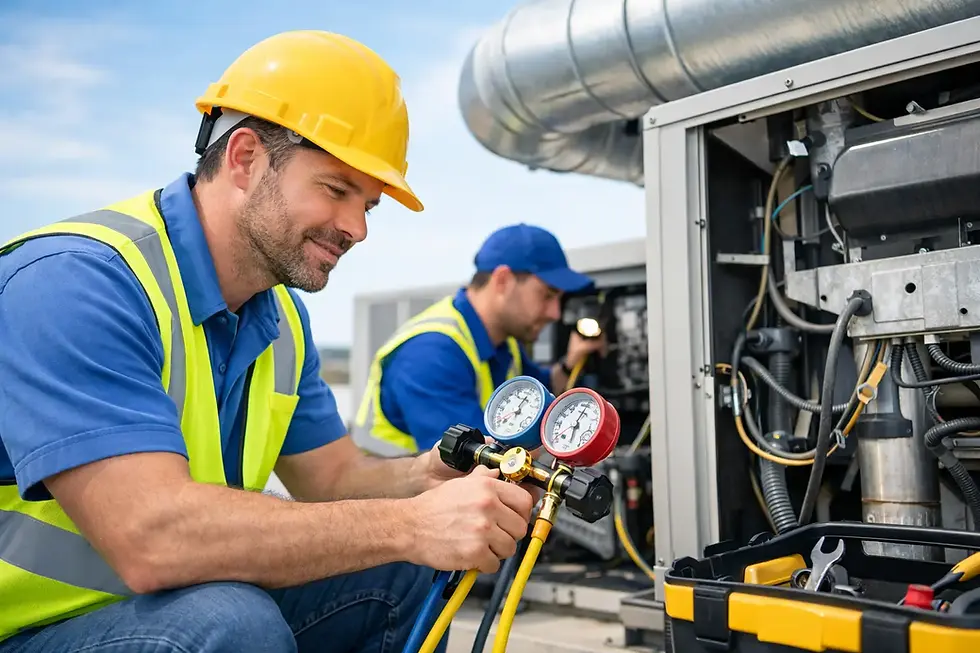
A thorough inspection typically looks at system operation, airflow, electrical connections, thermostat function, drain lines, filters, and visible component condition. Depending on the system, it may also include checking refrigerant performance, measuring temperature differences, and identifying signs of wear that could lead to trouble later.
Just as important, the technician should explain what they found in clear language. You should know whether the system is in good shape, what needs attention now, and what to keep an eye on. Honest communication matters as much as technical skill.
That is one reason many local property owners choose ongoing maintenance plans. With scheduled care, you are more likely to stay ahead of problems, keep records organized, and avoid letting inspections slide for another year.
Why regular HVAC inspections matter in a service relationship
There is also value in working with a company that understands your equipment history, your property, and your priorities. Over time, regular inspections create a service record that makes troubleshooting faster and recommendations more useful.
For a family home, that means a more consistent comfort strategy. For a commercial property, it means support that is easier to scale and schedule. And when something urgent does happen, it helps to already have a trusted team you know can respond.
That is the kind of long-term approach we believe in at APS-IOWA. One call should solve the problem, but the best service also helps prevent the next one.
If your system has been running louder, costing more, or simply has not been checked in a while, an inspection is a smart next step. Peace of mind is not just about avoiding breakdowns. It is about knowing your comfort system is ready to do its job when your home or business depends on it.
Thanks for saying YES to APS! We are ready to ensure your system is ready for whatever Iowa weather throws at it! Call today!

Comments