

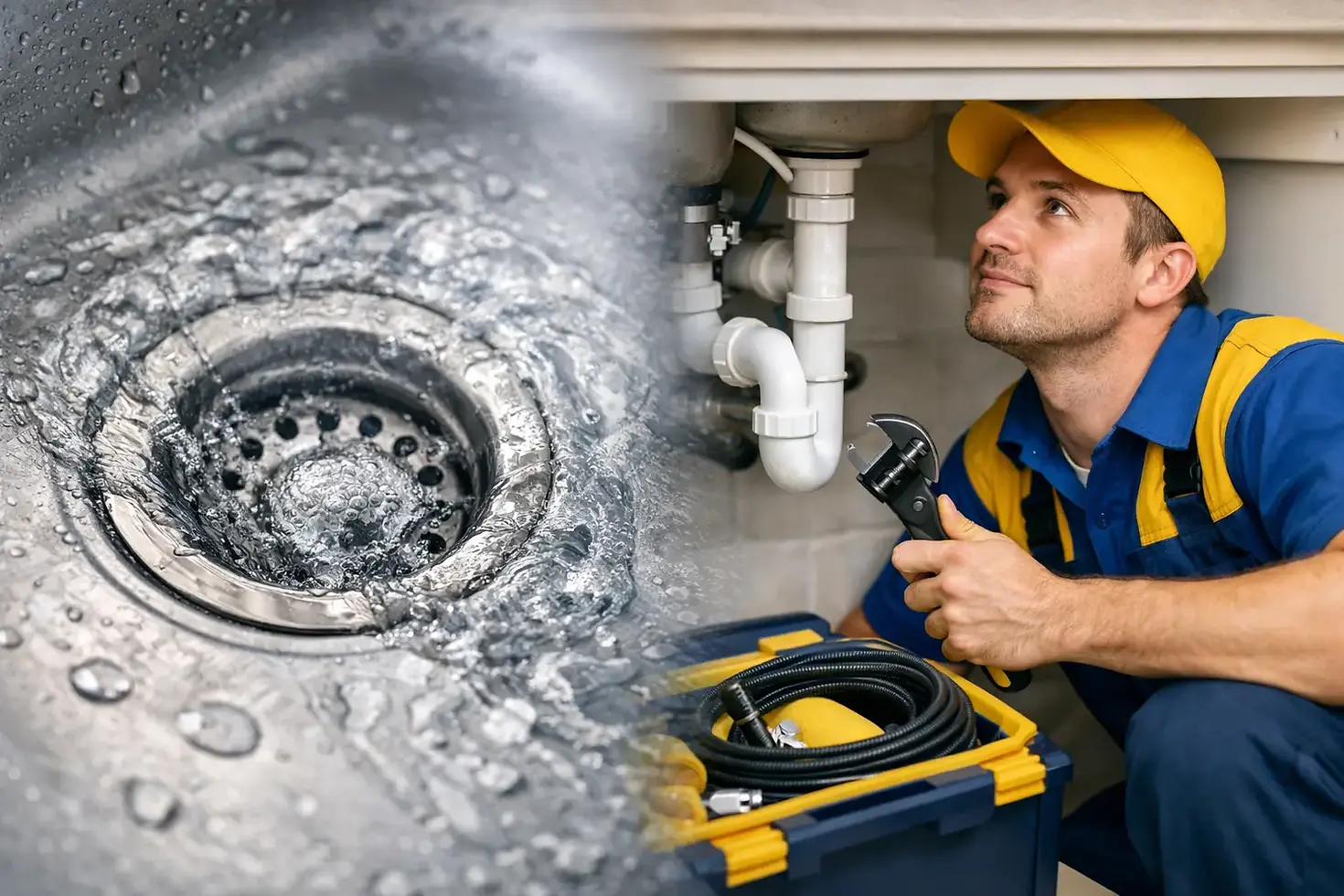
Why Do Drains Gurgle? Advanced Problem Solutions
- fyyff25
- 14 hours ago
- 5 min read
A sink that burps after you pull the plug or a toilet that makes bubbling sounds while the washing machine drains is trying to tell you something. So, why do drains gurgle? Usually, the sound means air is having trouble moving through your plumbing system as water flows out. Sometimes the cause is minor. Other times, gurgling is an early warning that a drain line, plumbing vent, or sewer line needs professional attention.
The key is noticing when the sound happens, which fixtures are involved, and whether the problem is getting worse. A little information can help you avoid the bigger mess of a backup.
Why Do Drains Gurgle in the First Place?
Your drain system needs both water and air to work correctly. When water travels down a pipe, air has to move through the system to keep pressure balanced. Plumbing vents - the pipes that typically extend through the roof - provide a path for that air.
When a clog, blockage, or venting problem disrupts that airflow, the system looks for air wherever it can find it. It may pull air through the water in a nearby fixture trap, creating that familiar gurgle or glug-glug sound. You may also notice slow drainage, foul odors, water level changes in the toilet bowl, or bubbles rising in a sink.
One isolated gurgle from a rarely used fixture is not always an emergency. Repeated sounds, multiple affected fixtures, or gurgling paired with wastewater coming back into a drain deserve prompt service.
The Most Common Reasons Drains Make Bubbling Noises
A Partial Clog Is Restricting the Pipe
A partial clog is one of the most common causes of a gurgling drain. Hair, soap residue, grease, food particles, paper products, or mineral buildup can narrow the inside of a drainpipe. Water can still get through, but not smoothly. As it squeezes past the obstruction, air gets displaced and bubbles back up through the fixture.
A clog near one sink, tub, or shower usually affects that one fixture. For example, a bathroom sink that drains slowly and gurgles may simply have buildup around the stopper or in the trap below the sink. A careful cleaning may help.
The situation changes when several fixtures are involved. If the kitchen sink gurgles when the dishwasher runs, or the shower bubbles when the toilet flushes, the blockage may be farther down a shared branch line or in the main sewer line.
The Plumbing Vent Is Blocked or Damaged
A vent stack is not there to drain water. Its job is to let air enter and exit the plumbing system so drains can flow freely and fixture traps retain their protective water seal. Debris, leaves, nesting material, or damage to the vent can interfere with that process.
A blocked vent can cause widespread gurgling, slow drains, and sewer odors. Because vent piping is often located on or inside the roof, this is not a good do-it-yourself project. Walking on a roof and probing a plumbing vent can create safety risks, and it is easy to miss a deeper issue in the line.
A qualified plumber can determine whether the issue is truly a vent blockage or a drainage problem that is creating similar symptoms. The distinction matters because the repair approach is different.
The Main Sewer Line Has a Developing Blockage
Your home’s main sewer line carries wastewater from all indoor drains to the municipal sewer connection or septic system. When that line is partially blocked, water and air may struggle to move through it. The result can be gurgling from the lowest drains in the home, often including basement floor drains, tubs, showers, or toilets.
Tree roots are a frequent concern in established neighborhoods. Roots naturally seek moisture and can enter small gaps, cracks, or aging pipe joints. Grease buildup, flushed wipes, foreign objects, pipe scale, and a damaged sewer line can create similar restrictions.
Do not ignore signs of a main line problem. If flushing the toilet makes water rise in a tub, if a floor drain is bubbling, or if sewage appears in any drain, stop running water in the building and call for professional plumbing help. Continuing to use sinks, showers, washers, or dishwashers can turn a contained problem into a damaging backup.
The Drain Trap Is Dry or Losing Its Water Seal
Every sink, shower, tub, and floor drain has a curved section of pipe called a trap. It holds a small amount of water that blocks sewer gases from entering the living space. In a guest bathroom, utility room, or basement floor drain that is not used often, that water can evaporate.
A dry trap may lead to odors and occasional unusual noises. Running water into the fixture for a minute can restore the seal. For a floor drain that dries out regularly, a plumber can recommend options to help maintain the trap seal.
If the trap water disappears soon after you refill it, however, there may be a venting issue that is siphoning water out of the trap. That requires a closer inspection.
What You Can Safely Check Before Calling
Start by identifying the scope of the problem. Is one drain gurgling, or are several fixtures making noise? Does it happen only when that fixture drains, or does it happen when you run water somewhere else? These details help pinpoint whether you are dealing with a local clog or a larger drainage issue.
For one slow sink, you can remove visible hair or debris from the stopper and clean the drain opening. A plunger designed for sinks can also help with a minor, localized clog. Use it only after covering the overflow opening with a wet cloth, and avoid plunging a fixture that has been treated with a chemical drain cleaner.
Chemical drain cleaners are rarely the best answer for recurring gurgling. They may not reach the real obstruction, can damage certain pipes or fixtures, and can create a hazard for anyone who later opens the drain line. If a clog keeps coming back, professional drain cleaning is a more reliable way to remove the buildup rather than temporarily punching a small hole through it.
Avoid sending more water into the system if you suspect a main sewer issue. That means pausing laundry, dishwasher cycles, showers, and repeated toilet flushing until the line has been assessed.
When Gurgling Is a Plumbing Emergency
A gurgling drain is urgent when it comes with wastewater backup, sewage odors, standing water around a floor drain, or multiple fixtures that will not drain. These signs can point to a main line obstruction, and fast action can reduce the chance of damage to flooring, walls, belongings, and indoor air quality.
Commercial property managers should take these symptoms especially seriously. A drainage disruption can affect restrooms, employee areas, customers, and daily operations. Addressing the cause early is typically less disruptive than responding after a full backup.
Advanced Problem Solutions provides professional drain and sewer service for homeowners and businesses in the Des Moines area, with clear communication about what is found and what repair options make sense. A camera inspection can be particularly useful for recurring issues because it shows whether roots, buildup, collapsed piping, or another problem is behind the noise.
Prevent Future Gurgling With Better Drain Habits
No plumbing system is completely immune to buildup, but a few habits can reduce the likelihood of trouble. Keep grease, coffee grounds, and fibrous food scraps out of kitchen drains. Use sink and shower strainers to catch hair and debris. Only flush toilet paper - wipes labeled "flushable" can still collect in pipes and contribute to blockages.
Regular drain maintenance can also be a smart choice for homes with older plumbing, large households, frequent clogs, or mature trees near sewer lines. The right schedule depends on the condition of the system and its history, not a one-size-fits-all calendar.
That strange gurgle may be small today, but plumbing problems rarely become more convenient with time. Pay attention to the pattern, protect your home from a possible backup, and say YES to APS when you need an experienced local team to get the system flowing the right way.


Comments