


Advanced Problem Solutions: How to Choose HVAC Contractor
- fyyff25
- Jun 17
- 6 min read
A low quote can look great until your system still struggles, your utility bills climb, and you are calling someone else to fix the first company’s work. That is usually the moment people start asking how to choose HVAC contractor the right way instead of the cheapest way.
The truth is, most homeowners and property managers are not hiring HVAC companies often enough to feel confident about the process. You might replace a system once every decade or two. Even repairs can feel stressful when your comfort, air quality, and daily routine are on the line. The right contractor should make the decision easier, not more confusing.
The right contractor LISTENS to what you want and need instead of sending a salesman who gets a commission. At Advanced Problem Solutions we know that your needs matter the most!
How to choose HVAC contractor without guessing
A good HVAC contractor does more than show up with tools. They should know how to diagnose problems accurately, explain your options clearly, and do the work right the first time. That matters whether you need a repair, a full replacement, routine maintenance, or help improving indoor air quality.
Start with the basics. A contractor should be properly licensed and insured for the work they perform. If that sounds obvious, it is, but it still gets overlooked when people are in a hurry. Licensing shows the company meets state and local requirements. Insurance protects you if something goes wrong on the job. If a company seems vague when you ask, treat that as a warning sign.
Experience matters too, but it helps to look past the number alone. Ten years in business is valuable, but what you really want to know is whether the contractor has handled systems like yours, properties like yours, and problems like yours. A company that works on both residential and commercial systems may bring broader troubleshooting experience, but what matters most is fit.
Look for proof, not just promises
Any company can say they provide great service. The better question is whether customers consistently say the same thing. Reviews can tell you a lot if you read them with some care.
Look beyond the star rating and pay attention to patterns. Do people mention clear communication, on-time arrival, honest recommendations, and clean work? Do reviews talk about how the company handled problems, not just easy jobs? A perfect installation is nice. A fair response when something unexpected happens is often more revealing.
Credentials can help support that trust. Industry certifications, manufacturer training, and BBB accreditation all add credibility. They do not guarantee a perfect experience, but they show the company takes professionalism seriously. If a contractor invests in training and standards, that usually shows up in the quality of the work and the way they treat customers.
Ask how they evaluate your home or building
One of the clearest signs of a quality contractor is how they assess the job before giving recommendations. If someone glances at your existing unit, names a price, and pushes you to decide on the spot, slow down.
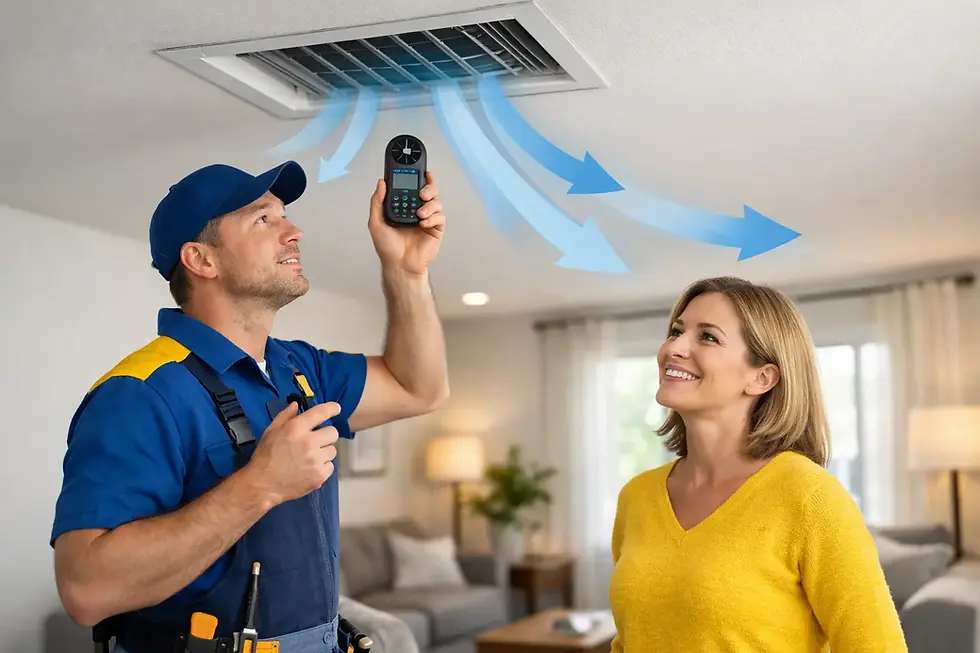
For repairs, they should explain what they found, what caused it, and whether there are multiple ways to address it. For replacements, they should evaluate the size of the space, ductwork condition, insulation, airflow, and how the current system has been performing. Bigger is not automatically better with HVAC. An oversized system can short cycle, waste energy, and leave humidity issues behind.
That is where honest communication matters. A dependable contractor will tell you when a repair makes sense and when replacement is the smarter long-term move. They should also be able to explain the trade-offs. A lower upfront cost might mean lower efficiency, shorter lifespan, or fewer comfort features. A premium system may offer better humidity control, quieter operation, and lower operating costs, but only if it is properly matched to the space.
Pricing matters, but so does what you are actually buying
People naturally compare estimates, and they should. But choosing based on price alone is one of the most common mistakes in HVAC hiring.
A quote should be detailed enough for you to understand what is included. That means equipment specifications, labor, warranties, any ductwork or accessories involved, permit needs if applicable, and expected project scope. If one estimate is much lower than the others, ask why. Sometimes it reflects efficiency. Other times it means corners are being cut, key work is excluded, or lower-quality equipment is being used.
When you compare quotes, compare value. One contractor may include better warranty coverage, more thorough testing, cleaner installation practices, or stronger post-install support. Those things matter after the invoice is paid.
Pay attention to warranties and service after the job
A contractor’s job is not finished when the system turns on. Good companies stand behind their work.
Ask about both manufacturer warranties and labor warranties. Manufacturer coverage usually applies to equipment parts, while labor coverage depends on the contractor. You should also ask what happens if something is not working correctly after installation or repair. Will they return promptly? Is there emergency service available? Can you reach a real person when your system fails at an inconvenient time?
This is especially important for property managers and business owners. Downtime affects tenants, employees, customers, and operations. A contractor with reliable service support can save a lot of stress later.
How to choose HVAC contractor for long-term value
The best HVAC relationship is not just about one job. It is about having a trusted partner who can help your system run better year after year.
Maintenance is a big part of that. Contractors who offer routine inspections and tune-ups are often better positioned to help you prevent breakdowns, catch wear early, and protect your investment. That does not mean every maintenance plan is automatically worthwhile. You should understand what is included, how often service is provided, and whether membership benefits actually fit your needs.
If a company offers ongoing care, ask whether that includes priority scheduling, discounts on repairs, system performance checks, or help tracking maintenance history. For many homeowners, that convenience is worth it. For commercial clients, consistent service records and reduced surprises can be even more valuable.
A company built around long-term relationships often communicates differently. They are less likely to rely on pressure tactics because they want your trust over time, not just today’s sale.
Notice how they treat your questions
You do not need to be an HVAC expert to hire one. A good contractor will respect that.
If you ask basic questions, you should get straight answers, not jargon designed to make you feel behind. They should be able to explain efficiency ratings, repair options, expected system lifespan, and indoor air quality improvements in plain language. If they seem impatient, dismissive, or evasive before the job starts, do not expect better communication after they have your business.
This point matters more than many people realize. HVAC work affects comfort, energy use, noise levels, air cleanliness, and daily peace of mind. You want a company that listens to your concerns, whether that is uneven cooling, allergy issues, pet-related air quality concerns, or the need to keep a business running without disruption.
Red flags that should make you pause
Some warning signs are easy to spot. Others are subtle but still worth taking seriously.
Be cautious if a contractor refuses to provide a written estimate, avoids questions about licensing or insurance, or gives recommendations without inspecting the actual system. High-pressure sales tactics are another concern, especially if the company insists on immediate replacement without clearly explaining why repair is not a reasonable option.
You should also be careful with companies that communicate poorly from the start. Missed appointments, vague answers, and slow follow-up often signal bigger service issues ahead. In home services, professionalism is not just about technical skill. It is also about showing up, communicating clearly, and doing what was promised.
Choosing the right fit for your property
There is no single perfect checklist that picks the same contractor for everyone. A homeowner replacing an aging system may prioritize communication, financing options, and family comfort. A property manager may care more about response time, documentation, and consistency across multiple units. A business owner may focus on minimizing downtime and maintaining a comfortable space for staff and customers.
That is why fit matters. The right contractor for your property should match your goals, not just your equipment brand. They should be able to handle the immediate issue and help you make smart decisions for the long run.
At its best, this process is not about finding someone to sell you equipment. It is about finding a dependable professional you can trust when comfort, air quality, and system performance are on the line. At Advanced Problem Solutions, that kind of trust is exactly what homeowners and businesses should expect. Say YES to APS when you want honest guidance, skilled service, and work done right the first time - guaranteed.
The best time to choose carefully is before you are stuck making a rushed decision. A little extra homework now can save you money, frustration, and more than a few uncomfortable days later.
Thanks for saying YES to APS! We look forward to serving you with integrity- each and every day!

Comments