

Why Regular HVAC Inspections are a Must with Advanced Problem Solutions
- Robert Daniels
- Sep 22, 2025
- 4 min read

Maintaining a comfortable and healthy indoor environment depends heavily on the performance of your heating, ventilation, and air conditioning (HVAC) system. Regular HVAC inspections are essential to ensure your system runs efficiently, saves energy, and prevents costly breakdowns. In this article, we will explore why scheduling routine inspections is a smart decision for any property owner.
The Importance of HVAC Inspections
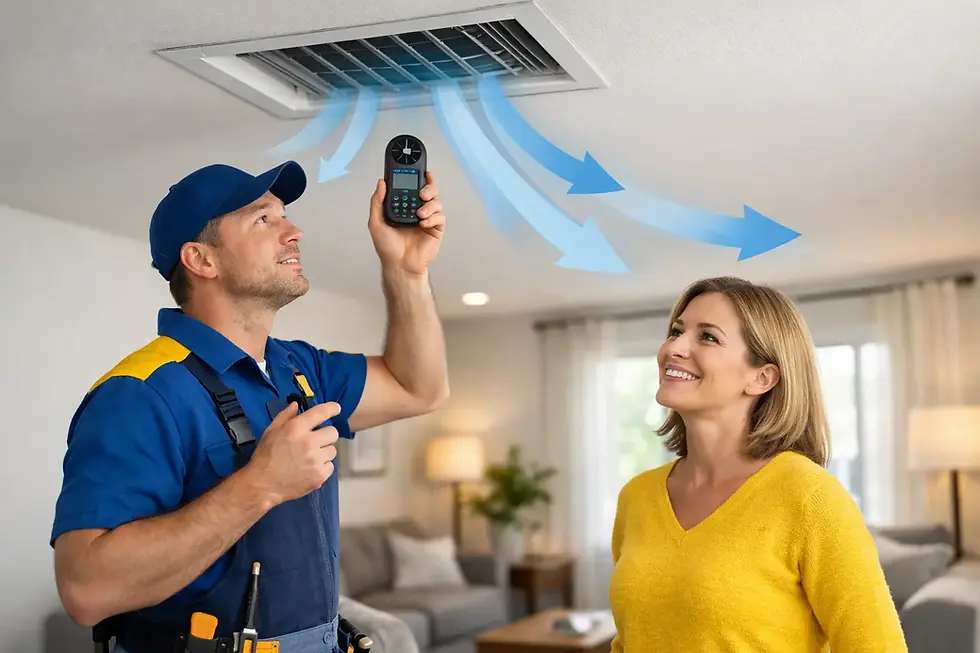
Regular HVAC inspections help identify potential problems before they escalate into expensive repairs or complete system failures. During an inspection, a qualified technician checks all components of your system, including filters, coils, ducts, and electrical connections. This thorough examination ensures everything is functioning correctly and safely.
For example, a clogged air filter can reduce airflow, forcing your system to work harder and increasing energy consumption. An inspection will catch this early, allowing for a simple filter replacement that improves efficiency and air quality. Additionally, inspections can detect refrigerant leaks, which not only reduce cooling performance but also harm the environment.
Scheduling routine inspections also extends the lifespan of your HVAC system. By addressing minor issues promptly, you avoid premature wear and tear on critical parts. This proactive approach saves money in the long run and keeps your home or office comfortable year-round.

What Happens During HVAC Inspections?
When a professional conducts an HVAC inspection, they follow a detailed checklist to evaluate the system’s condition. Here are some key steps involved:
Visual Inspection - The technician examines the entire system for signs of wear, corrosion, or damage.
Filter Check and Replacement - Dirty filters are replaced to improve airflow and indoor air quality.
Thermostat Calibration - Ensures the thermostat accurately controls the temperature.
Electrical Components Testing - Checks wiring, capacitors, and connections for safety and functionality.
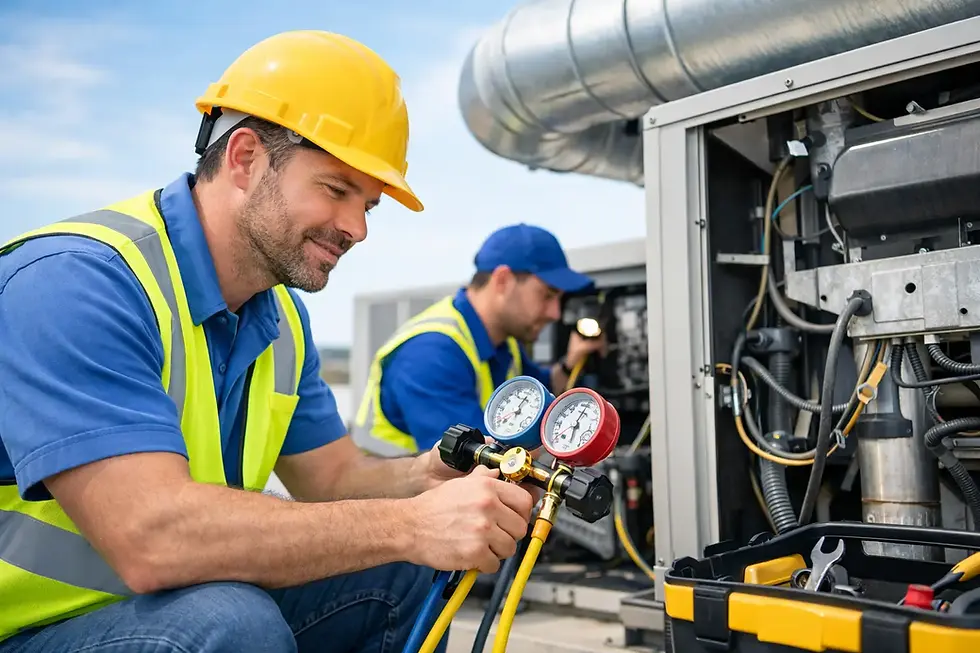
Refrigerant Level Check - Confirms the refrigerant is at the correct level to maintain cooling efficiency.
Ductwork Inspection - Looks for leaks or blockages that could reduce system performance.
System Performance Test - Runs the system to verify it operates smoothly and efficiently.
By following these steps, the technician can provide a comprehensive report and recommend any necessary repairs or improvements. This detailed approach helps maintain optimal system performance and prevents unexpected breakdowns.

What is the $5000 rule for HVAC?
The $5000 rule is a guideline used by many homeowners and professionals to decide whether to repair or replace an HVAC system. It suggests that if the cost of repairs exceeds $5000, it may be more cost-effective to invest in a new system instead of continuing to fix an aging unit.
This rule takes into account factors such as:
The age of the HVAC system (typically over 10-15 years)
Frequency and cost of past repairs
Energy efficiency of the current system compared to newer models
Potential savings on utility bills with a modern system
For example, if your HVAC system is 12 years old and requires a $6000 repair, replacing it with a new, energy-efficient model might save you money in the long term. New systems often come with warranties and improved technology that reduce energy consumption and maintenance needs.
Understanding the $5000 rule helps homeowners make informed decisions about their HVAC investments, balancing upfront costs with long-term benefits.
Sometimes, replacement is still a better option if the repair costs are less than $ 5,000, considering the age and the upgraded efficiency and peace of mind that a new comfort system will provide. Your expert professional at Advanced Problem Solutions will help you with these comparisons.
Benefits of Scheduling Regular HVAC Inspections
Regular inspections offer numerous advantages beyond just preventing breakdowns. Here are some key benefits:
Improved Energy Efficiency: Clean and well-maintained systems use less energy, lowering utility bills.
Enhanced Indoor Air Quality: Inspections ensure filters and ducts are clean, reducing allergens and pollutants.
Increased System Lifespan: Early detection of issues prevents major damage and extends equipment life.
Safety Assurance: Technicians check for carbon monoxide leaks and electrical hazards, protecting occupants.
Peace of Mind: Knowing your HVAC system is in good condition reduces stress and unexpected expenses.
For instance, a homeowner who schedules bi-annual inspections may notice a small refrigerant leak early on. Fixing it promptly prevents the system from overworking and avoids a costly compressor replacement later. Advanced Problem Solutions has a C.O.R.E. maintenance plan that helps you save while having this quality service scheduled regularly.

For example, HVAC inspections from Advanced Problem Solutions can help you maintain comfort and efficiency without surprises.
Taking Action: When to Schedule Your Next HVAC Inspection
Experts recommend scheduling HVAC inspections at least twice a year - once before the heating season and once before the cooling season. This timing ensures your system is ready to perform optimally during extreme weather conditions.
If you notice any of the following signs, it’s wise to schedule an inspection sooner:
Unusual noises or odors from the system
Inconsistent temperatures or poor airflow
Rising energy bills without increased usage
Frequent cycling on and off
Visible signs of wear or damage
Regular inspections are a small investment that pays off by preventing costly repairs and improving comfort. Mark your calendar and set reminders to keep your HVAC system in top shape year-round.
By prioritizing regular HVAC inspections, you protect your investment, enhance indoor comfort, and save money on energy and repairs. Don’t wait for a breakdown to take action - schedule your next inspection today and enjoy peace of mind knowing your system is running smoothly.
Call Advanced Problem Solutions today to get your bi-annual maintenance scheduled. Ask about our C.O.R.E. memberships for heating, cooling, and plumbing.
Advanced Problem Solutions — Quality work. Guaranteed.

Comments