

Advanced Problem Solutions Guide to Sump Pump Maintenance
- fyyff25
- 2 days ago
- 5 min read
A sump pump can sit quietly for months, then become the most important appliance in your basement during a heavy Iowa rain. This guide to sump pump maintenance gives homeowners and property managers a straightforward way to keep that system ready, reduce the chance of water damage, and recognize when a small concern needs professional attention.
A little routine care goes a long way, but sump pumps are not all alike. A finished basement, a rental property, a commercial building, or a home with frequent groundwater issues may need a more thorough maintenance plan and a reliable backup system.
Why Sump Pump Maintenance Matters
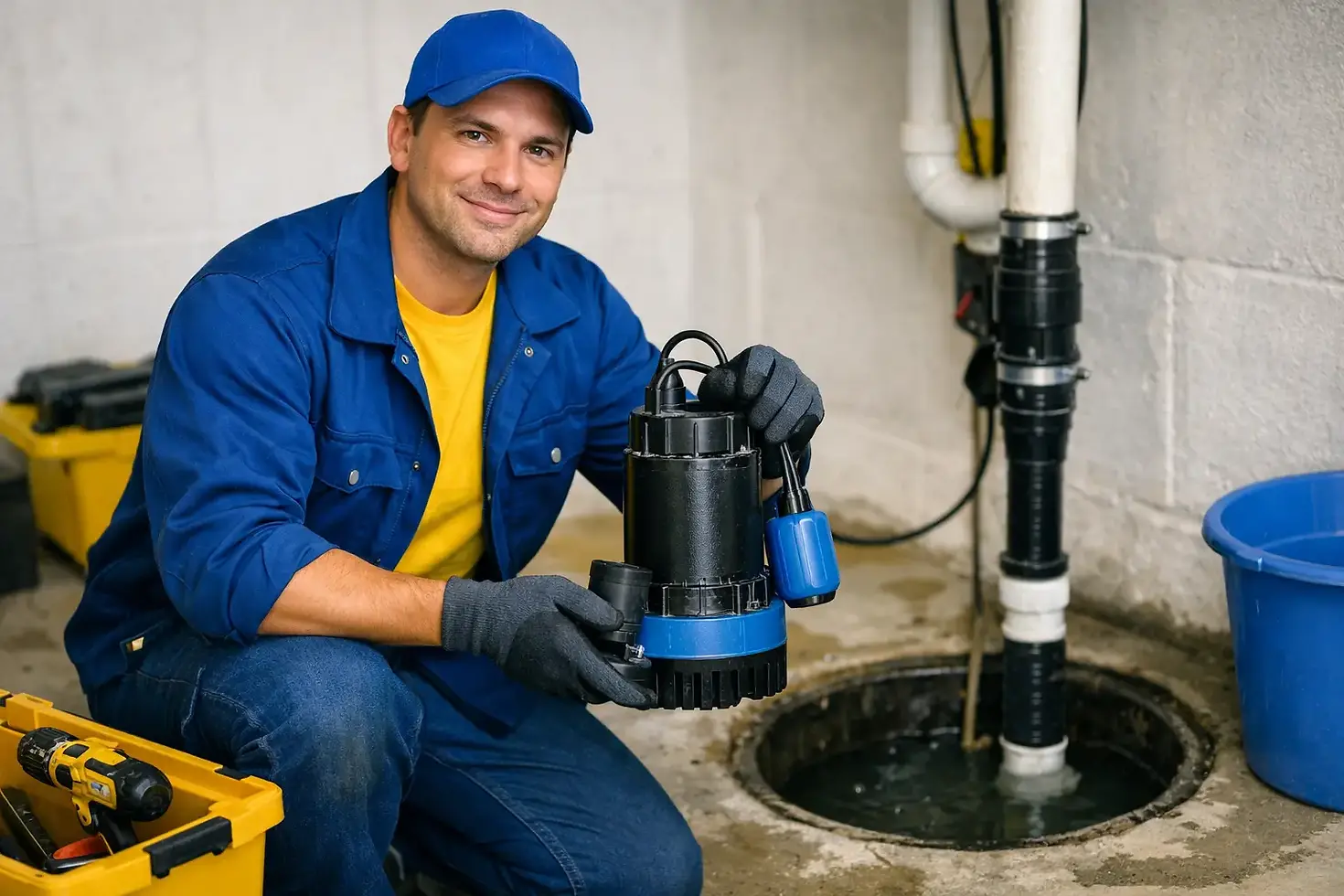
Your sump pump collects groundwater in a basin, called a sump pit, and sends it away from the foundation through a discharge pipe. When water rises in the pit, a float activates the pump. If the pump does not turn on, cannot move water effectively, or sends that water too close to the house, moisture can enter the basement or crawl space.
The problem is that many sump pump failures are quiet. A clogged intake, stuck float, failed check valve, loose power connection, or blocked discharge line may not show obvious symptoms on a dry day. Regular testing lets you find those issues while there is time to fix them, not while water is already rising.
A Practical Guide to Sump Pump Maintenance
For most homes, test the primary sump pump about once a month during periods when groundwater or heavy rain is likely. Add a check after any major storm, extended power outage, plumbing work near the pit, or time away from home.
Start by looking into the sump pit. The basin should be reasonably clean and free of gravel, dirt, leaves, pet hair, toys, or other debris that could interfere with the pump or float. You do not need a spotless pit, but you do want the pump intake and moving parts clear enough to operate freely.
Next, make sure the pump is plugged directly into a working, grounded outlet. Avoid using an extension cord for a permanent setup. Check that the cord is not damaged, pinched, or sitting where it can be pulled loose. If the outlet is protected by a GFCI, confirm it has not tripped.
Test the Float and Pump Operation
The simplest test is to slowly pour a bucket of water into the pit until the float rises and the pump turns on. Watch what happens. The pump should start promptly, move water out of the basin, and shut off once the water level drops.
Listen while it runs. Grinding, rattling, repeated clicking, excessive vibration, or a motor that hums without pumping water can point to a mechanical problem. A pump that runs continuously may have a stuck float, an undersized pump, a check-valve issue, or water flowing back into the pit after each cycle.
Do not reach into the pit or handle the pump while it is plugged in. If you see a loose part, damaged wire, or anything that makes you uncomfortable, turn off power at the outlet or breaker and call a qualified plumbing professional.
Clean the Pump and Pit Carefully
Over time, sediment can build up around the pump base and intake screen. After disconnecting power, remove loose debris from the pit. If the manufacturer permits it, gently rinse the pump exterior and clean the intake screen with water. Follow the pump's manual for any specific cleaning directions, since designs vary.
Check that the pump is sitting upright and level on the bottom of the basin. A tilted pump can affect float movement and leave more water behind after each cycle. If your pit has a cover, make sure it is secure. A proper cover helps keep debris out and is especially valuable in homes with children or pets.
Check the Discharge Line Outside
A working pump is only half the system. The water still needs a clear route away from your foundation. Walk outside and locate the discharge point. It should direct water away from the home without creating a slippery area, washing out landscaping, or draining right back toward the foundation.
Look for visible damage, separated pipe sections, loose connections, or soil that has shifted around the outlet. Make sure the end of the line is not blocked by mulch, landscaping material, dirt, or debris. If the discharge line is connected to an underground extension, watch for unusually wet areas in the yard that could suggest a blockage or broken pipe.
Also check the pump's check valve, usually installed on the vertical discharge pipe near the pit. This valve prevents water in the pipe from falling back into the basin when the pump stops. If you hear water dropping back into the pit after every cycle or notice frequent short cycling, the valve may need inspection or replacement.
Do Not Forget the Backup Plan
A primary sump pump needs electricity. That creates a risk during storms, when outages and high water often happen at the same time. A battery backup sump pump can provide extra protection when the main pump loses power or cannot keep up with incoming water.
Backup systems are not maintenance-free. Test the backup pump according to the manufacturer instructions, inspect battery terminals for corrosion, and replace the battery on the recommended schedule. Many systems include an alarm that alerts you to a power loss, low battery, or high water level. Verify that everyone responsible for the property knows what that alarm sounds like and what to do next.
For homes with a history of water issues, a high-water alarm is another smart layer of protection. It will not remove water, but it can give you an early warning before a small failure becomes a larger cleanup.
Signs You Should Call a Professional
Some sump pump concerns are simple to identify, but diagnosing the cause is not always simple. A pump may look functional during a quick test yet still be too small for the volume of water entering the pit. The issue could also be the drainage system around the foundation, not the pump itself.
Schedule professional service if your pump will not start, runs but does not move water, trips the breaker, makes loud or unusual noises, cycles constantly, or leaves standing water in the pit. You should also call if water is appearing in the basement, the discharge line seems blocked, or the system is more than several years old and has never been inspected.
Property managers and commercial owners should be particularly proactive. A flooded mechanical room, storage area, or tenant space can disrupt operations and create costly damage. Documenting routine testing and arranging scheduled maintenance can make response decisions faster when a problem develops.
Make Maintenance Easier to Keep Up With
The best maintenance schedule is the one you will actually follow. Put a recurring reminder on your phone or property calendar for a quick water test and visual inspection. Keep the sump pit accessible rather than storing boxes, furniture, or supplies around it. If your system has an alarm, test it periodically and make sure its notification settings are current.
It also helps to record the pump's age, model, and any repairs. That information gives a technician a clearer starting point and helps you plan replacement before an aging pump becomes an emergency.
If your sump pump is showing signs of trouble, Advanced Problem Solutions can inspect the system, explain what is happening in plain language, and help protect your home or property from the next heavy rain. Say YES to APS, and give your basement one less chance to surprise you.


Comments