

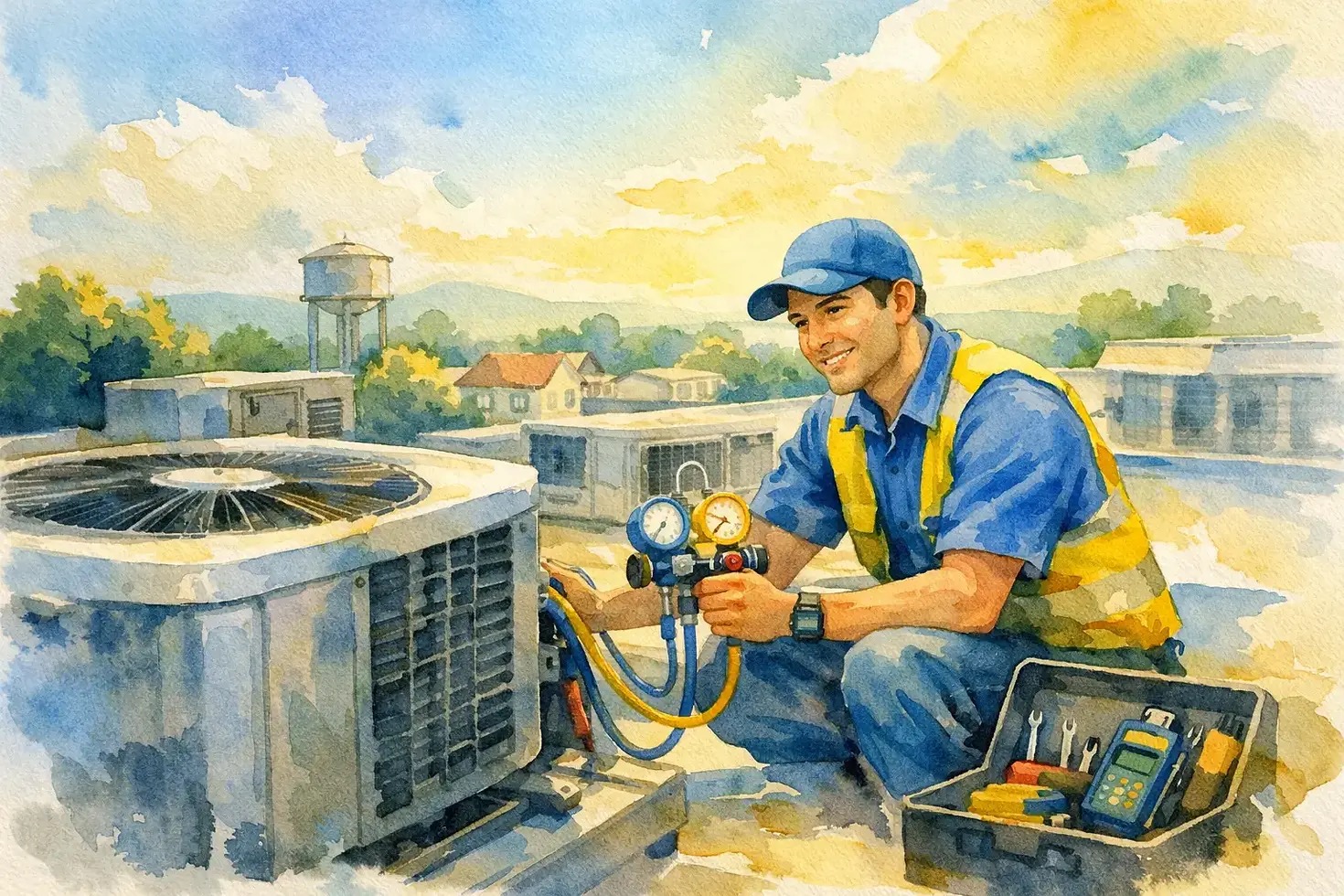
Advanced Problem Solutions Commercial HVAC Maintenance Checklist
- fyyff25
- 1 day ago
- 5 min read
A comfort complaint in a commercial building rarely starts as an emergency. It often begins with one warm office, an unusual sound above a ceiling tile, or utility costs that quietly climb month after month. A consistent commercial HVAC maintenance checklist helps property managers and business owners spot those warnings early, protect employee and customer comfort, and avoid disruptions that can affect daily operations.
For a retail space, office, restaurant, warehouse, or multi-tenant property, maintenance is not just about keeping equipment running. It is about controlling operating costs, protecting a major building asset, and making sure occupants can focus on work instead of the temperature.
Why Commercial HVAC Maintenance Matters
Commercial HVAC equipment works harder than many people realize. Systems may run for long hours, respond to changing occupancy, manage humidity, and condition areas with very different needs under one roof. A neglected filter, dirty coil, failing belt, or blocked condensate drain can put added strain on the entire system.
The cost of skipping maintenance is not limited to a repair invoice. An unexpected shutdown can interrupt customers, frustrate tenants, affect inventory, and force your team to make decisions under pressure. Regular inspections create a clearer record of equipment condition, allowing you to schedule repairs or replacements around your business rather than reacting when the system fails.
Maintenance frequency depends on the building and how it is used. A busy restaurant, medical office, manufacturing area, or pet-friendly business may need more frequent attention than a lightly occupied professional office. Equipment age, indoor air quality needs, operating hours, and the number of people in the building all matter.
Commercial HVAC Maintenance Checklist for Better Uptime
Use this checklist as a practical framework between professional service visits. Some checks can be handled by an on-site facilities contact, while electrical, refrigerant, combustion, and internal mechanical work should always be left to a qualified commercial HVAC technician.
Keep an accurate equipment record
Start with a current list of every HVAC asset: rooftop units, split systems, air handlers, thermostats, exhaust fans, make-up air equipment, and zoning controls. Record model and serial numbers, installation dates, filter sizes, warranty information, service history, and the location of each unit.
This record saves time when a problem occurs. It also helps identify patterns, such as one unit that repeatedly needs repairs or a particular zone that generates more comfort complaints than others. If your provider does not already supply service reports, ask for clear documentation after each visit.
Inspect filters, airflow, and occupied spaces
Dirty filters are one of the most common and avoidable causes of reduced HVAC performance. They restrict airflow, increase energy use, and can contribute to hot and cold spots. Check filters on the schedule recommended for your equipment and building conditions, then replace them when needed rather than waiting for visible damage.
Walk through occupied areas and listen to the people using them. Note rooms that feel stuffy, unusually humid, too warm, or too cold. Check that supply and return vents are not blocked by furniture, storage, displays, or other materials. In commercial spaces, a simple layout change can create an airflow issue that looks like an equipment failure.
Check outdoor equipment and surrounding areas
Rooftop and exterior units need clear airflow to operate efficiently. Look for leaves, trash, grass clippings, nesting materials, standing water, or other debris around the equipment. Make sure access panels are secured and that protective guards or curbs show no obvious damage.
Do not try to clean internal coils, open electrical compartments, or straighten coil fins without the right tools and training. Those tasks can cause damage or create safety hazards. Your role is to notice changes and report them promptly.
Watch the condensate system
Commercial cooling equipment removes moisture as it conditions air. That moisture has to drain correctly. A clogged condensate line or pan can lead to water damage, odors, ceiling stains, and system shutdowns.
During building walkthroughs, look for water around air handlers, rooftop curbs, mechanical rooms, or ceiling tiles. Any musty smell near HVAC equipment deserves attention as well. Water issues are easier and less expensive to address before they spread into walls, insulation, or finished spaces.
Listen for mechanical warning signs
Unusual sounds can signal a developing problem. Squealing may point to a worn belt, rattling may indicate loose hardware, and grinding can suggest a motor or bearing issue. Short cycling, where a unit turns on and off repeatedly, is another concern that should be documented and evaluated.
Encourage staff to report these changes early. A quick message that includes the unit location, time of day, and what was observed gives your HVAC provider a much better starting point than a general report that the building "sounds loud."
Review controls, thermostats, and schedules
A well-maintained HVAC unit can still waste energy if controls are poorly programmed. Confirm that thermostats are accurate, readable, and protected from direct sunlight, equipment heat, or drafts. Review occupied and unoccupied schedules when business hours, staffing, or tenant use changes.
For buildings with multiple zones, compare thermostat settings to actual room conditions. A zone that never reaches setpoint may have an airflow, damper, sensor, control, or capacity issue. Avoid solving recurring comfort problems by continually lowering the thermostat. That can mask the real cause and raise energy costs.
Track energy use and repair patterns
Review utility bills and compare similar months from year to year. A sudden increase in electricity use may relate to HVAC performance, although weather, occupancy, equipment additions, and operating hours should be considered before drawing conclusions.
Keep a simple log of service calls, repairs, complaints, and downtime by unit. When one system has repeated failures or repair costs keep rising, it may be time to discuss repair-versus-replacement planning. Replacing equipment is a significant investment, but repeatedly repairing an inefficient unit can become the more expensive choice over time.
What a Professional Commercial HVAC Visit Should Cover
An on-site checklist is valuable, but it does not replace trained maintenance. During a professional visit, technicians should inspect the system’s electrical components, motors, belts, bearings, coils, drain system, safety controls, refrigerant performance, airflow, and overall operating condition. They should also evaluate controls and identify parts that are showing wear before a failure affects your building.
The best service visits end with straightforward communication. You should know what was checked, what was corrected, what should be monitored, and which repairs are urgent versus recommended for planning purposes. That clarity helps property managers budget responsibly and helps business owners make informed decisions without guesswork.
For larger properties or businesses with several locations, a planned maintenance agreement can simplify scheduling and documentation. It also gives your service provider a better understanding of your equipment history, priorities, and operating needs. Advanced Problem Solutions helps Des Moines-area commercial clients coordinate HVAC care with other essential property systems, so one trusted local team can help keep operations moving.
Build a Checklist Your Team Will Actually Use
The best checklist is not the longest one. It is the one your team can complete consistently. Assign responsibility for basic walkthroughs, create a clear process for reporting concerns, and keep maintenance records in one accessible location. Photos of leaks, damaged insulation, error codes, or debris can be especially useful when requesting service.
Set a cadence that matches your property. A facility with high foot traffic or sensitive equipment may benefit from frequent visual checks, while a smaller office may only need a scheduled monthly review between professional appointments. The key is consistency and knowing when an observation requires a technician.
Comfort problems do not need to become business interruptions. Keep your checklist simple, report changes early, and work with a qualified commercial team that explains the options clearly and does the job right the first time. Say YES to APS when your building needs dependable care.


Comments