


Advanced Problem Solutions: Signs Your AC Needs Repair
- fyyff25
- Jun 19
- 6 min read
When your air conditioner starts acting a little off, most people do the same thing - lower the thermostat and hope it snaps out of it. Sometimes that works for a day or two. Sometimes it is the first hint that something bigger is going wrong. Knowing the signs your air conditioner needs repair can help you catch trouble early, protect your comfort, and avoid a much more expensive breakdown later.
For homeowners, property managers, and business owners, the real issue is not just whether the system is running. It is whether it is cooling the way it should, using energy efficiently, and keeping the space comfortable for the people inside. If your AC is struggling, your home or building will usually give you clues before the system quits completely.
Don't be caught off guard by an improper diagnosis! At Advanced Problem Solutions, we do a full 65 point inspection of your air conditioning to ensure we find the "real" problem and "true" solution.
Common signs your air conditioner needs repair
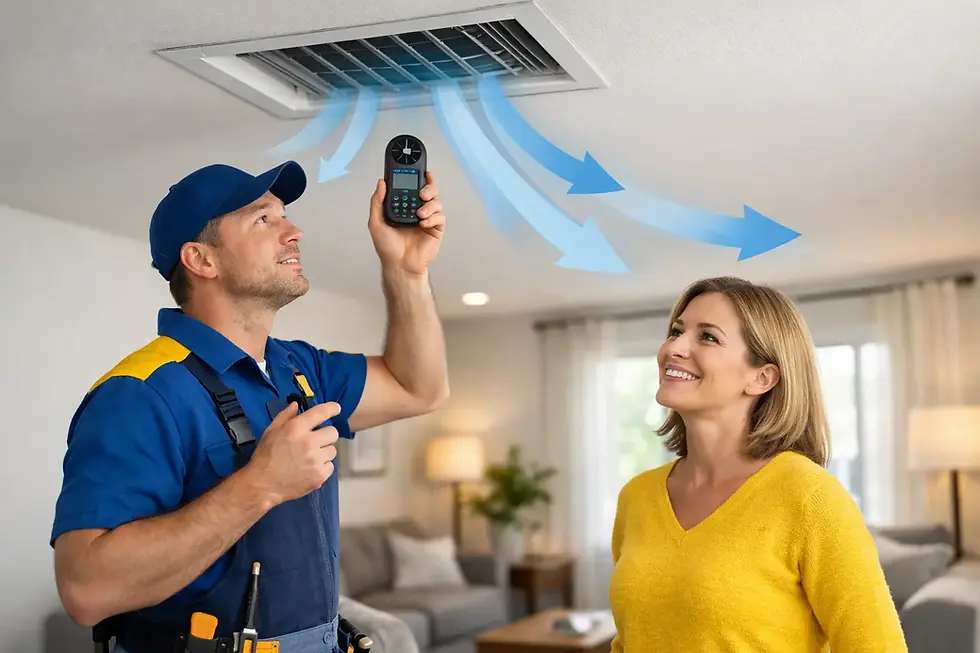
One of the clearest warning signs is weak airflow. If air is barely coming through the vents, the problem could be as simple as a clogged filter or as serious as a failing blower motor, duct issue, or frozen evaporator coil. Weak airflow often starts small, which is why it gets ignored. But if some rooms feel stuffy while others cool normally, the system is telling you it needs attention.
Warm air coming from the vents is another major red flag. If the thermostat is set to cool and the air still feels lukewarm, there may be an issue with the compressor, refrigerant level, electrical components, or thermostat calibration. In some cases, the system may still be running constantly while doing very little actual cooling. That usually means higher utility bills with worse comfort.
Strange noises are also worth taking seriously. Air conditioners are not silent, but they should sound familiar. Banging, grinding, squealing, rattling, or buzzing often points to loose parts, worn bearings, motor trouble, or debris inside the unit. A small mechanical issue can sometimes be repaired quickly if caught early. If ignored, that same issue can damage other components and turn into a much larger repair.
Unusual odors matter too. A musty smell may suggest moisture buildup, mold growth, or drainage problems. A burning smell can point to overheating parts or electrical issues. Neither one should be brushed off, especially in homes with children, pets, or anyone sensitive to indoor air quality problems.
When higher energy bills mean AC trouble
A rising utility bill is easy to blame on hotter weather, but that is not always the full story. If your air conditioner is using more power than usual without delivering better cooling, something is likely wrong. Dirty coils, low refrigerant, airflow restrictions, failing motors, and thermostat problems can all force the system to work harder than necessary.
This is one of the more overlooked signs your air conditioner needs repair because it does not always feel urgent. The system is still turning on. The house is eventually getting cool. But behind the scenes, wear and tear is building. Higher operating costs are often the early price of delayed repair.
There is a trade-off here. Not every spike in energy use means you need a technician right away. A dirty filter or unusually hot stretch can affect performance too. But if the bill keeps climbing and the comfort level keeps dropping, it is time to stop guessing.
Moisture, leaks, and ice around the system
Your AC should manage moisture, not create new problems with it. Puddles near the indoor unit, visible water leaks, or excess condensation can point to a blocked condensate drain line, cracked drain pan, frozen coil, or other performance issue. While some moisture problems are minor, others can lead to water damage, mold growth, or shutdowns if left alone.
Ice on the refrigerant line or coil is another sign something is wrong. People sometimes assume ice means the system is working extra hard and therefore cooling well. In reality, ice often signals restricted airflow, dirty coils, or refrigerant problems. If you keep running the system in that condition, you can push the damage further.
If you notice ice, turn the system off and have it checked. Letting it thaw without addressing the cause usually leads to the same problem coming right back.
Short cycling and constant running
An air conditioner should cycle on and off in a fairly steady pattern. If it turns on, shuts off quickly, and then starts again a short time later, that is called short cycling. It can be caused by thermostat issues, electrical problems, dirty components, improper sizing, or refrigerant trouble. Short cycling puts extra strain on the system because startup is one of the hardest moments for many AC components.
On the other side, a system that seems to run constantly is not healthy either. During very hot weather, longer cycles can be normal. But if the unit never seems to catch up, you may be dealing with airflow issues, low refrigerant, compressor trouble, leaky ductwork, or an aging system that can no longer keep up with demand.
It depends on the age of the equipment and the condition of the home or building. A newer system with one specific issue may be a straightforward repair. An older unit with several symptoms at once may need a broader conversation about repair versus replacement.
Hot spots, uneven cooling, and comfort complaints
If one room feels fine and another feels like a completely different season, your AC may not be distributing air correctly. Uneven cooling can come from blocked vents, dirty filters, duct leaks, failing zone controls, low airflow, or a system that is no longer performing as designed.
This matters in homes, but it is especially frustrating in commercial spaces or multi-room properties where comfort affects productivity, tenant satisfaction, or customer experience. If people keep adjusting the thermostat and nobody feels comfortable, the equipment may not be the only issue, but it is often part of the problem.
The same goes for indoor humidity. Your air conditioner should remove a reasonable amount of moisture from the air while cooling. If the space feels damp, sticky, or clammy even when the temperature looks right on the thermostat, the system may be struggling. Poor humidity control often points to performance issues that deserve a closer look.
When a small problem becomes a bigger repair
A lot of AC repairs start with symptoms people try to live with. Maybe the unit makes a noise, but only sometimes. Maybe it cools eventually, just not as fast. Maybe the upstairs stays warmer than usual, but the rest of the house feels tolerable. These problems are easy to postpone because they do not always stop the system immediately.
The risk is that air conditioning systems are connected systems. A failing capacitor can strain a motor. A dirty coil can affect refrigerant pressures. A clogged drain can trigger water damage. What begins as a repair call can turn into a much bigger job when the warning signs are ignored too long.
That is why quick action usually saves money, time, and stress. It also helps protect the lifespan of the equipment.
What you can check before calling for service
There are a few simple things worth checking first. Make sure the thermostat is set correctly and has working batteries if needed. Check the air filter to see if it is dirty enough to restrict airflow. Look at the outdoor unit and make sure it is not blocked by debris or overgrown vegetation. Confirm that vents and registers inside are open and not covered by furniture or rugs.
If those basics do not solve the issue, or if you notice electrical smells, water leaks, ice, loud noises, or ongoing cooling problems, it is time for a professional diagnosis. AC systems have electrical, mechanical, and refrigerant components that need proper testing. Guessing can waste time and sometimes make the problem worse.
For local property owners who want straight answers and dependable service, Advanced Problem Solutions brings the kind of experience that helps catch issues early and fix them right the first time. That matters when comfort, uptime, and peace of mind are on the line.
Signs your air conditioner needs repair versus replacement
Not every problem means you need a new system. In many cases, a timely repair is the smart move, especially if the unit is relatively new and has been maintained well. But if repairs are becoming frequent, cooling is inconsistent, and energy costs keep rising, replacement may be more cost-effective over time.
Age matters, but so does repair history. A ten-year-old system with one isolated issue is different from a system that has had repeated refrigerant, blower, and electrical problems. The right decision depends on the condition of the equipment, the cost of the repair, and how reliable you need the system to be going forward.
That is why honest guidance matters. A good service partner should explain what is wrong, what can be repaired, and when replacement makes more sense.
Pay attention when your AC starts giving you signals. A strange sound, weak airflow, uneven cooling, or a rising utility bill might seem manageable today, but comfort problems rarely fix themselves. The sooner you act, the better your chances of keeping your space cool, efficient, and ready for the people who count on it.
Call Advanced Problem Solutions today for service you can trust! Say YES to APS!


Comments